

BIZ TRANSFORMATION & TAX COMPLIANCE
ONE OPPORTUNITY TO SERVE
आपका संपूर्ण BUSINESS FINANCE & TAX COMPLIANCE का भार !!
+91 9891526482
HUB OF COMPLIANCE
GST
INCOME TAX
MSME
STARTUP
About us
Your Partner in Growth and Compliance
Welcome to Simple Tax Compliance, your trusted partner for comprehensive business transformations and expert tax compliance services. At Simple Tax Compliance, we believe in simplifying complex financial processes, empowering businesses to thrive in today’s dynamic landscape.
With a dedicated team of experienced professionals, we offer a wide range of services to meet your business needs, ensuring compliance with accounting, tax, and regulatory requirements. From business accounting to GST and income tax compliance, from budgeting and forecasting to investment proposals, we provide tailored solutions designed to drive your success.
Our mission is to serve as your hub of services, delivering unparalleled expertise and support at every step of your business journey. Whether you’re a startup seeking funding or an established enterprise in need of management reporting, we are here to assist you with integrity, efficiency, and professionalism.
At Simple Tax Compliance, we understand that each business is unique, which is why we take a personalized approach to every client engagement. By combining industry knowledge with innovative strategies, we help you navigate challenges, seize opportunities, and achieve your goals.
Experience the difference with Simple Tax Compliance. Let us be your partner in growth and compliance, providing you with the peace of mind to focus on what you do best – running your business.
UNLOCKING SUCCESS
"Delivering Business Transformations and Expert Tax Services"

BUSINESS ACCOUNTING COMPLIANCE
Maintain accurate financial records using suitable accounting software. Adhere to Goods and Services Tax (GST) and other regulations and file returns.
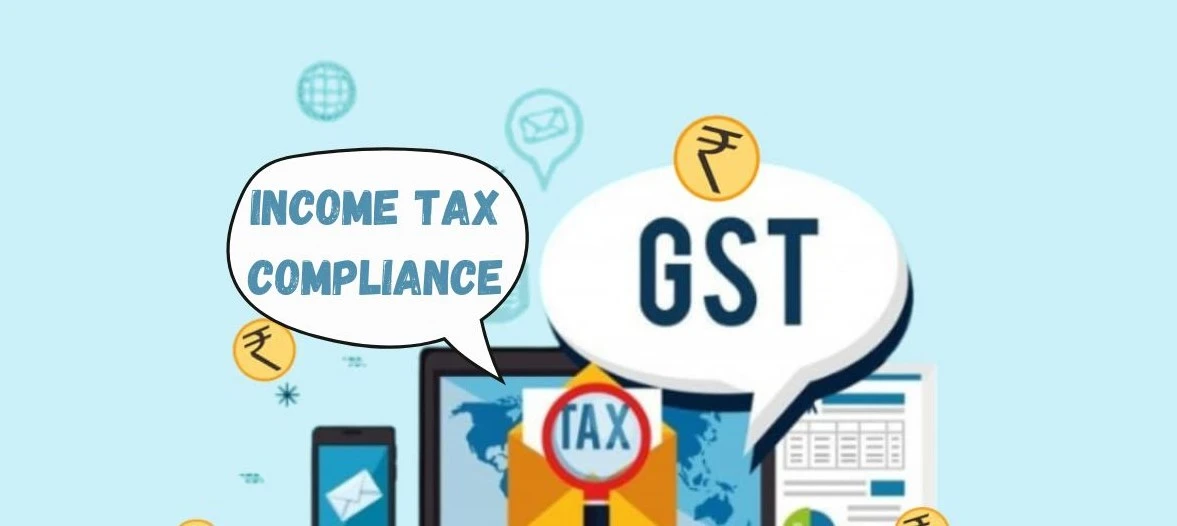
GST & INCOME TAX COMPLIANCE
Understand tax laws applicable to your jurisdiction. Register for GST: Obtain a Goods and Services Tax (GST) identification number.
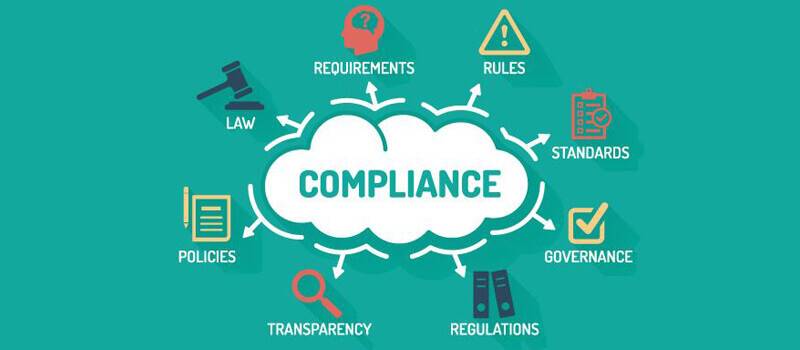
BUSINESS MODELING कैसे तैयार करें
Clearly define your business concept, target market, and value proposition. Conduct market research to understand customer needs and industry trends.
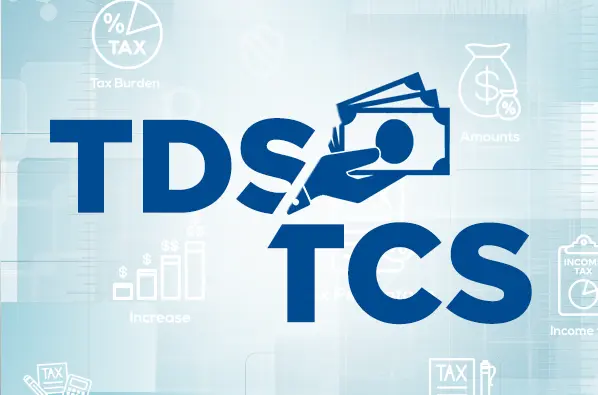
TDS-TCS की COMPLIANCE कैसे करें ।
Obtain a Tax Deduction and Collection Account Number (TAN) for TDS compliance. Identify transactions subject to Tax Deducted at Source (TDS) and Tax .

PF - ESI की COMPLIANCE कैसे करें ।
Register under the Employees' Provident Fund Organization (EPFO) and obtain a Provident Fund (PF) code.
MSME FUNDING के लिए PROPOSAL कैसे तैयार करें।
Provide a comprehensiveoverview of your MSME, Emphasizing products, market positioning, and current status.
Explore Our Latest Videos
HUB OF SERVICES || DELIVERABLE SERVICES
BUSINESS FINANCE & STRATEGY:
Gather historical data and set clear financial objectives.
Develop a detailed budget with realistic income and expense projections.
Use accurate assumptions, considering market conditions and internal factors.
Monitor actual performance regularly and adjust forecasts based on results.
Engage key stakeholders in the budgeting process for collaboration and insights.
Continuously improve by incorporating new requirement, and adapting to changing business conditions.
Clearly define your business concept, target market, and value proposition.
Conduct market research to understand customer needs and industry trends.
Develop a revenue model and identify key partnerships to support your business.
Create a financial forecast, considering costs, revenue streams, and profitability.
Continuously iterate and adapt your business model based on feedback and market changes.
Maintain accurate financial records using suitable accounting software.
Adhere to Goods and Services Tax (GST) and other regulations and file returns.
Deduct and comply with Income Tax, Tax Deduction at Source (TDS) & Other requirements.
Ensure corporate compliance, timely audits, and stay informed about changing regulations.
Clearly define the objectives of your management report. Identify the key information and insights that management needs for informed decision-making.
Choose the most relevant KPIs that align with your business goals. These could include financial metrics, operational efficiency, customer satisfaction, or other key areas of focus.
Accompany data with a narrative that provides context and explanations for trends, anomalies, or deviations. This ensures a deeper understanding of the presented information.
Highlight variations from targets or previous periods. This provides context and helps identify areas that may require attention or improvement.
Ensure timely delivery of management reports. Regular reporting intervals, whether monthly, quarterly, or annually, help management stay informed and make timely decisions.
Set up robust accounting systems to accurately record and track financial transactions. Utilize accounting software for efficiency and accuracy.
Adhere to tax obligations, including filing tax returns, paying taxes on time, and keeping track of deductible expenses.
Prepare regular financial statements, such as income statements, balance sheets, and cash flow statements.
Develop and maintain a realistic budget. Regularly review and update financial forecasts to align with business goals and market conditions.
Ensure that invoicing is accurate, and payments are made and received on time. Implement efficient invoicing and payment systems to avoid cash flow issues.
Choose an appropriate legal structure for your MSME and ensure proper registration with relevant authorities. This may include obtaining a business license or registration under MSME-specific schemes.
Comply with tax regulations applicable to your MSME. This includes filing regular tax returns, maintaining accurate records, and understanding deductions or exemptions available for MSMEs.
Regularly prepare and maintain financial statements such as balance sheets, income statements, and cash flow statements. These documents provide a clear overview of your MSME's financial health.
Comply with the terms of contracts, agreements, and vendor relationships. Regularly review and renew contracts while ensuring adherence to payment terms and conditions.
Explore and leverage government schemes and incentives designed for MSMEs. This may include subsidies, grants, or financing programs aimed at supporting small and medium enterprises.
Craft a concise executive summary introducing your business and its purpose.
Provide a detailed business overview, emphasizing market potential and growth prospects.
Present a robust financial model projecting revenue, expenses, and ROI.
Clearly state the investment amount, utilization, and terms offered to the investor.
Support your proposal with market analysis, team expertise, risk mitigation, and a well-defined exit strategy.
Craft a concise executive summary outlining your business and its international objectives.
Clearly articulate the global market opportunity and your unique advantages in target regions.
Present a detailed financial forecast, emphasizing growth potential and return on investment.
Specify funding needs, terms offered to foreign investors, and compliance with cross-border regulations.
Demonstrate a global business strategy, cultural awareness, risk mitigation, and readiness for due diligence in your proposal.
Set up robust accounting systems to accurately record and track financial transactions. Utilize accounting software for efficiency and accuracy.
Adhere to tax obligations, including filing tax returns, paying taxes on time, and keeping track of deductible expenses.
Prepare regular financial statements, such as income statements, balance sheets, and cash flow statements.
Develop and maintain a realistic budget. Regularly review and update financial forecasts to align with business goals and market conditions.
Ensure that invoicing is accurate, and payments are made and received on time. Implement efficient invoicing and payment systems to avoid cash flow issues.
Provide a comprehensive overview of your MSME, emphasizing products, market positioning, and current status.
Clearly outline funding needs and how the funds will be utilized for growth or working capital.
Present detailed financial statements to demonstrate the financial health of your MSME.
Showcase the social and economic impact of your MSME, emphasizing contributions to the local economy.
Develop a well-structured repayment plan, outline collateral, and ensure compliance with funding guidelines.
Analyze production or service costs and set a profit margin.
Research competitors and market demand for pricing insights.
Consider your product or service's unique value proposition.
Choose an appropriate pricing strategy based on business goals.
Regularly review and adjust pricing to stay competitive and profitable.
Begin with a clear overview of the project, including its objectives, scope, and significance. Define the problem or opportunity the project aims to address.
Outline the project plan, detailing timelines, milestones, resources, and responsibilities. Include a chart or timeline for visual representation.
Present a detailed budget, including costs for materials, labor, equipment, and any other resources. Clearly outline the financial requirements and funding sources.
Provide regular updates on project progress, highlighting completed milestones, ongoing tasks, and any deviations from the initial plan. Include visuals such as charts or graphs.
Summarize the project's overall outcomes and provide recommendations for any follow-up actions, improvements, or further initiatives.
Develop a comprehensive business plan outlining your idea, revenue model, and growth strategy.
Determine and clearly communicate your funding needs, with a breakdown of utilization.
Build a detailed financial model and create a compelling pitch deck for potential investors.
Identify and engage with private investors through networking and presentations.
Negotiate terms, undergo due diligence, and finalize legal documentation to secure private funding.
Organize past financial statements and project future financials.
Break down data into key components, detailing fund utilization.
Specify collateral and provide its valuation for risk assessment.
Clearly explain assumptions underlying financial projections.
Present the CMA data professionally, including a cover letter summarizing key points for bank funding.
TAX & REGULATORY COMPLIANCE:
Register for GST: Obtain a Goods and Services Tax (GST) identification number.
Maintain Detailed Records: Keep organized records of sales, purchases, and input tax credits.
File Regular Returns: Submit timely GST returns, typically monthly or quarterly.
Verify Input Tax Credits: Ensure accurate reconciliation of input tax credits against output tax liability.
Stay Informed: Keep abreast of GST law changes and compliance requirements to avoid penalties.
Understand tax laws applicable to your jurisdiction.
Maintain accurate records of income and expenses.
Choose the correct tax forms for filing.
Claim eligible deductions and tax credits.
File on time and pay any taxes owed promptly.
Accurately estimate your annual taxable income, taking into account projected earnings, deductions, and exemptions.
Use the prescribed percentages and due dates provided by tax authorities to calculate your advance tax liability. Typically, businesses pay advance tax in installments during the financial year.
Follow the advance tax payment schedule to make installments at specified intervals. Typically, payments are due quarterly, with percentages adjusted based on actual income and tax liability.
Regularly reassess your income projections and adjust advance tax payments accordingly. If there are significant changes in income, consider revising your estimates and payments to avoid underpayment penalties.
Be aware of the penalties and interest levied for underpayment of advance tax. Timely and accurate payments help mitigate these additional costs.
Determine whether TDS is applicable to the property transaction.
In India, TDS on property is applicable when the property value exceeds a specified threshold. Collect PAN from the property seller.
TDS on property transactions requires the PAN of both the deductor (buyer) and the deductee (seller). Calculate the TDS amount based on the applicable rate and property value.
Deduct TDS at the time of making the payment to the property seller. Pay the deducted TDS amount to the government within the stipulated time.
File the TDS return using Form 26QB through the NSDL website Obtain Form 16B, which is the TDS certificate, from the buyer. The seller can download this certificate from the TRACES website to claim credit for the TDS deducted.
Adhere to the due dates for TDS payment and filing. Late payment may attract interest, and non-filing could lead to penalties.
Obtain a Tax Deduction and Collection Account Number (TAN) for TDS compliance.
Identify transactions subject to Tax Deducted at Source (TDS) and Tax Collected at Source (TCS) as per tax laws.
Deduct TDS as applicable on payments like salaries, rent, and interest, and remit the deducted amount to the government within specified time-frames.
Submit TDS returns on time, providing details of TDS deducted and deposited. This is typically done quarterly.
If applicable, collect TCS on specified transactions and remit the collected amount to the government. File TCS returns as required.
Register with the relevant authority and obtain an Import-Export Code (IEC) to engage in international trade.
Ensure proper documentation, including invoices, packing lists, and shipping documents, to comply with customs requirements and facilitate smooth clearance.
Consider hiring customs brokers, freight forwarders, or trade consultants to navigate complex customs procedures and ensure compliance with import-export regulations.
Maintaining import-export compliance is essential for a smooth and lawful international trade operation.
File annual returns and financial statements (MGT-7 and AOC-4) within prescribed timelines.
Conduct Annual General Meetings (AGM) and document proceedings with proper minutes.
Comply with income tax return filing requirements and engage a company auditor for financial audits.
Notify the ROC of any changes in the company structure and file necessary forms promptly.
Maintain up-to-date statutory registers, adhere to XBRL filing if applicable, and seek professional guidance for accurate compliance with ROC/MCA regulations.
Register under the Employees' Provident Fund Organization (EPFO) and obtain a Provident Fund (PF) code.
Deduct the specified percentage of employees' salary as PF contributions and contribute the employer's share.
Deposit both employee and employer PF contributions with the EPFO within the stipulated time frame.
Submit monthly or annual PF returns with details of contributions and withdrawals through the EPFO's online portal.
Register under the Employees' State Insurance Corporation (ESIC) and obtain an ESI code.
Deduct the specified percentage of employees' salary as ESI contributions and contribute the employer's share.
Deposit both employee and employer ESI contributions with the ESIC within the prescribed time.
File ESI contribution returns regularly, providing details of employees and contributions made.
Meet the teachers
Experts in giving your children best start

Lead teacher and 1-2 year olds

Teacher: 2-3 year olds

Teacher: 3-4 year olds
What parent say